Michel-Eugène Chevreul
A French-born chemist, who researched extensively the scientific aspects of colour, including; optical mixing of colours, contrast of colours, and mutual influence of juxtaposed colours. This research led to his finding several types of contrast of colour and tone.
Colour Research
°Complimentary Colours
Based on the seventy-two colours of the colour wheel, deriving from 3 primary colours of red, blue and yellow.
Complimentary colour pairs are red–green, yellow–purple, and blue–orange.
°Optical Mixing of Colours
°Contrast of Colours
°Mutual Influence of adjacent complimentary colours and resulting complimentary colours.
Resulting Findings
°Juxtaposed colours can enhance or diminish each other’s intensity:
°Complimentary colours when combined, cancel each other out and produce a grayscale.
°Complimentary colours adjacent one another provide the greatest contrast
°The closer two colours are to each other on the colour wheel; the less contrast is perceived when adjacent one another.
Formed Theories
°Simultaneous Contrast
The way in which two juxtaposed colours can enhance or diminish each other’s intensity. Most noticeably seen complimentary colours are placed side by side.
°Successive Contrast
Is The colour one sees after viewing its complementary colour:
In other words; stare at a bright red circle for thirty seconds, then look at one point on a blank white piece of paper, and a green circle will appear.
°Mixed Contrast
When the after colour resulting from successive contrast is laid upon another colour.
The Fruit of His Studies
He produced highly influential books outlining his principles and theories, entitled;
De la loi du contraste simultané des couleurs (1839; The Laws of Contrast of Colour)
And also….
The Principles of Harmony and Contrast of Colors and their Applications to the Arts
Chevreul and Impressionism
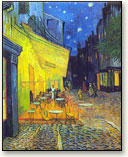
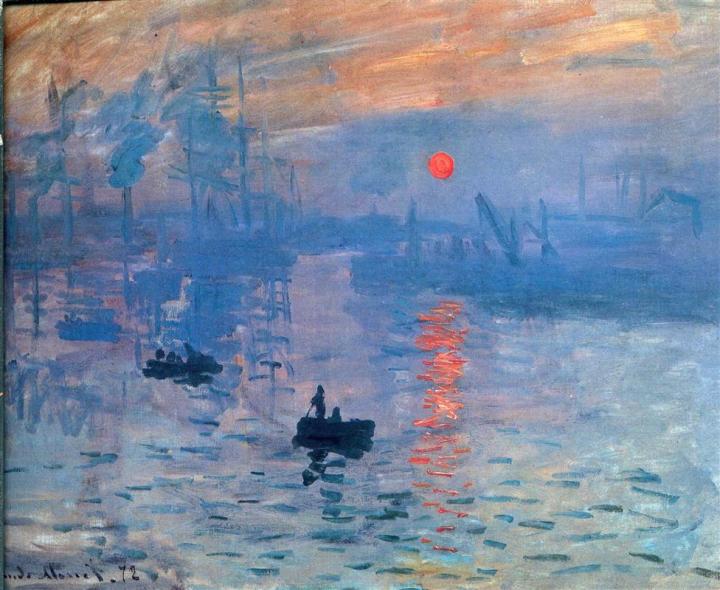
He influenced many artists of the Impressionism, Post-Impressionism, and Neo-Impressionism and resulting movements such as Fauvism with his law of simultaneous contrast of colours:
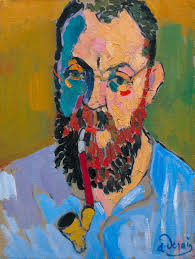
Henri Matisse, 1905
References
Anon, Michel Eugène Chevreul « colorsystem. Available at: https://www.colorsystem.com/?page_id=792&lang=en [Accessed November 29, 2017a].
Anon, successive contrast Definition – Creative Glossary. Available at: http://www.creativeglossary.com/color/successive-contrast.html [Accessed November 29, 2017b].
Wikipedia contributors, 2017. Michel Eugène Chevreul. Wikipedia, The Free Encyclopedia. Available at: https://en.wikipedia.org/w/index.php?title=Michel_Eug%C3%A8ne_Chevreul&oldid=801992268 [Accessed November 29, 2017].
 Creative Arts